Guide angle
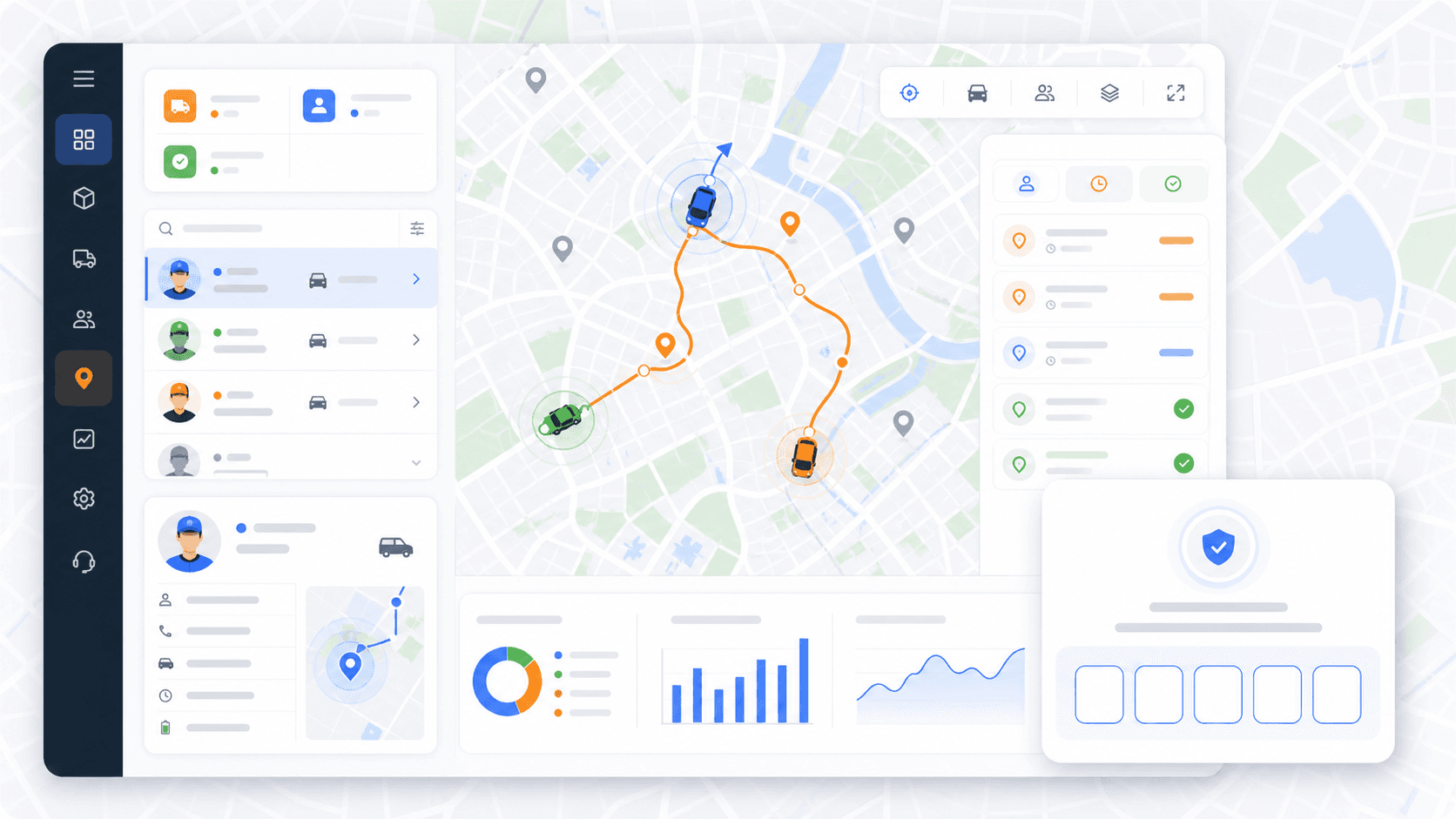
Proof of delivery confirms that delivery work reached a verification state. Rouptimize currently supports customer 5-digit delivery-code verification, not photo or signature proof.
What to understand
What proof of delivery means
- Proof is stronger than a simple status update because it records a verification event or delivery confirmation method.
- Common proof methods include code verification, photos, signatures, barcode scans, or customer confirmation. Rouptimize currently claims code verification.
When code-based proof is useful
- A customer can share a confirmation code at the delivery point.
- Dispatchers need a consistent proofed status connected to the route and mission history.
- The team wants a simple verification workflow inside the driver mobile app.
Proof workflow risks
- Wrong customer, early code sharing, incorrect digits, failed delivery states, or a proof method that does not meet a contract can all create operational risk.
Evaluation checklist
Where Rouptimize fits
Rouptimize connects this topic to real route planning, mission management, dispatch, driver mobile workflows, monitoring, proof-code delivery verification, reports, and route-order-credit billing. It should not be described with unsupported claims such as photo proof, customer tracking links, live traffic AI, public API pages, fake savings, or predictive analytics.
FAQ
Does Rouptimize support photo or signature proof?
Rouptimize public copy should describe customer 5-digit proof-code verification only. Do not claim photo, signature, ID scan, or legal handover proof unless the product adds those features.
Is a proof code enough for every delivery operation?
Not always. Teams should decide whether code-based proof meets their operational, customer, contractual, and regulatory needs.
Turn this guide into a Rouptimize workflow
Use the related docs and tutorials when your team is ready to move from concept to exact product steps.